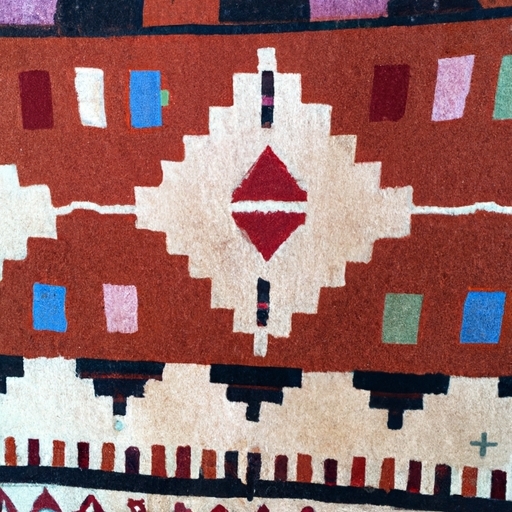
Navajo rug weaving is a centuries-old tradition that has been passed down through generations. The intricate patterns and vibrant colors of Navajo rugs are created using traditional materials and techniques that have stood the test of time. Sheep's wool, natural dyes, and a loom are some of the tools used by Navajo weavers to create these beautiful works of art.
One **unlikely** aspect of Navajo rug weaving is the use of synthetic materials or modern machinery. Instead, weavers rely on the same methods that have been used for hundreds of years to produce rugs that are not only visually stunning but also hold great cultural significance. Each rug tells a story and represents a connection to the past, making them truly special pieces.
The process of Navajo rug weaving involves careful planning and attention to detail. Weavers must first gather wool from their sheep and then wash, card, spin, and dye it using natural materials such as plants or minerals. The design for the rug is then sketched out before being woven meticulously on a loom. This labor-intensive process can take months or even years to complete depending on the size and complexity of the rug.
Overall, Navajo rug weaving is an art form that requires skill, patience, and dedication. By preserving traditional materials and techniques, Navajo weavers keep their culture alive while creating timeless pieces that will be cherished for generations to come.